
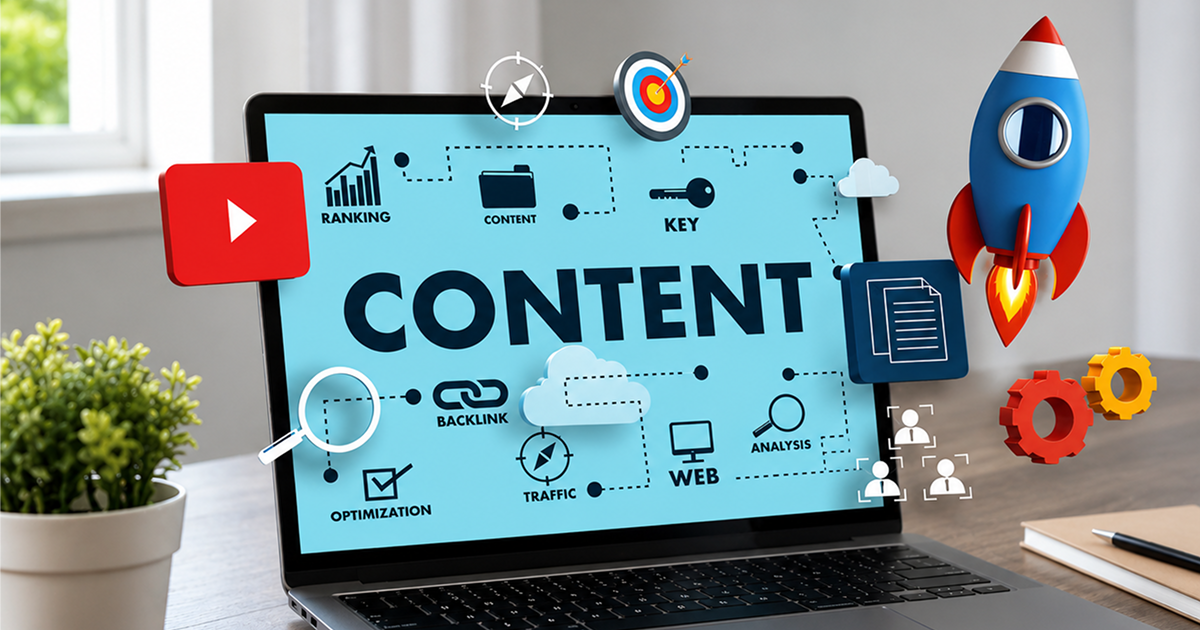
The digital marketing world has evolved significantly over the past decade. From short-form social media posts to AI-generated summaries and quick video content, online users now consume information faster than ever before. However, despite the rise of short-form content platforms, long-form content continues to dominate search engine rankings, audience engagement, and lead generation in 2026.
Many marketers once believed that shrinking attention spans would reduce the effectiveness of detailed blog posts and in-depth articles. Surprisingly, the opposite has happened. Users still rely on comprehensive content when researching products, learning new skills, comparing services, or making important purchasing decisions. Search engines like Google also prioritize content that demonstrates expertise, authority, and trustworthiness — qualities often found in long-form content.
Long-form content goes beyond simply writing more words. It focuses on delivering complete, valuable, and well-structured information that fully answers user intent. Whether it’s an SEO blog, technical guide, case study, whitepaper, or pillar page, long-form content helps businesses establish authority, improve visibility, and build stronger relationships with their audiences.
In 2026, competition in search results is stronger than ever. Businesses that publish thin or low-value content struggle to rank and maintain audience attention. Meanwhile, brands investing in high-quality long-form content continue to attract organic traffic, earn backlinks, improve dwell time, and generate quality leads.
In this blog, we will explore why long-form content still wins in 2026, how it supports SEO and user engagement, and the best strategies businesses can use to create high-performing long-form content.
What is Long-Form Content?
Long-form content refers to detailed and comprehensive content pieces that typically contain more than 1,500 words.
Common Types of Long-Form Content
- In-depth blog posts
- Ultimate guides
- Whitepapers
- Case studies
- Pillar pages
- Research articles
- Tutorials
- eBooks
The purpose of long-form content is to provide complete information that thoroughly addresses user questions and search intent.
Why Long-Form Content Remains Important in 2026
Even with the popularity of short videos and quick social media content, long-form content remains essential because users still search for detailed information online.
Users Want Complete Answers
Modern consumers conduct extensive research before:
- Purchasing products
- Hiring services
- Choosing software
- Learning new skills
Long-form content provides the depth users need to make informed decisions.
Search Engines Prefer Comprehensive Content
Search engines aim to deliver the best possible answers to users.
Why Google Favors Long-Form Content
Detailed content often:
- Covers topics more thoroughly
- Includes related keywords naturally
- Improves topical authority
- Increases user engagement
- Earns more backlinks
As a result, long-form content frequently ranks higher in search engine results.
Long-Form Content Improves SEO Performance
SEO remains one of the strongest reasons businesses invest in long-form content.
Benefits for SEO
Better Keyword Coverage
Long-form content naturally includes:
- Primary keywords
- Secondary keywords
- Long-tail keywords
- Semantic search terms
This improves search visibility for multiple queries.
Higher Search Rankings
Detailed articles are more likely to:
- Rank on the first page
- Appear in featured snippets
- Gain organic traffic
- Build authority
Search engines prefer content that fully answers user intent.
Increased Internal Linking Opportunities
Long-form content allows businesses to add:
- Related blog links
- Service page links
- Resource references
Internal linking improves website structure and SEO value.
Long-Form Content Builds Authority and Trust
Authority is one of the most important ranking and branding factors in 2026.
Thought Leadership Through Content
Businesses that publish detailed content become trusted industry experts.
Examples include:
- Research-based articles
- Expert guides
- Industry trend analysis
- Technical tutorials
Users are more likely to trust brands that provide valuable educational content.
Long-Form Content Increases User Engagement
Engagement metrics strongly impact SEO and customer behavior.
How Long-Form Content Improves Engagement
Detailed content encourages users to:
- Spend more time on the website
- Read multiple sections
- Explore internal links
- Share content socially
These engagement signals indicate quality to search engines.
Dwell Time and SEO Benefits
Dwell time refers to how long users stay on a webpage before returning to search results.
Why Dwell Time Matters
Long-form content often improves:
- Time on page
- User interaction
- Scroll depth
- Content consumption
Higher dwell time can positively influence search engine rankings.
Long-Form Content Generates More Backlinks
Backlinks remain a major ranking factor in SEO.
Why Long-Form Content Earns More Links
People are more likely to link to:
- Comprehensive guides
- Data-driven research
- Educational resources
- Industry reports
Quality backlinks improve domain authority and search visibility.
Better Conversion Opportunities
Long-form content provides multiple opportunities to guide users toward conversions.
Conversion Elements in Long-Form Content
Businesses can include:
- CTA buttons
- Contact forms
- Newsletter signups
- Downloadable resources
- Product recommendations
Detailed content nurtures users throughout the buyer journey.
Long-Form Content Supports E-E-A-T
Google emphasizes:
- Experience
- Expertise
- Authoritativeness
- Trustworthiness
This framework is commonly known as E-E-A-T.
How Long-Form Content Supports E-E-A-T
Comprehensive content demonstrates:
- Industry knowledge
- Real expertise
- Valuable insights
- Reliable information
These factors improve content credibility and ranking potential.
AI Content and Human Value in 2026
AI-generated content has become more common, but quality still matters.
Why Human-Focused Long-Form Content Wins
Users prefer content that:
- Feels authentic
- Solves real problems
- Includes expert opinions
- Offers original insights
Businesses that combine AI tools with human expertise create stronger content experiences.
Long-Form Content Improves Lead Generation
Educational content helps attract qualified leads.
How Long-Form Content Generates Leads
Users often provide contact information to access:
- eBooks
- Case studies
- Templates
- Whitepapers
Long-form educational resources encourage trust and conversions.
Voice Search and Long-Form Content
Voice search continues to grow in 2026.
Why Long-Form Content Supports Voice Search
Detailed content often answers conversational queries naturally.
Example:
“What are the benefits of long-form content for SEO?”
Well-structured content increases the chance of appearing in voice search results.
Long-Form Content Supports Topic Clusters
Topic clusters improve website organization and authority.
Example of a Topic Cluster
Main Pillar Page:
“Complete Guide to SEO”
Supporting Blogs:
- Technical SEO tips
- Keyword research strategies
- Link building methods
Long-form pillar pages strengthen overall SEO performance.
Long-Form Content Enhances Social Sharing
High-value content gets shared more frequently.
Shareable Content Types
- Research reports
- Industry trends
- Ultimate guides
- Step-by-step tutorials
Social sharing expands brand visibility and referral traffic.
Long-Form Content Creates Evergreen Value
Evergreen content remains useful for years.
Examples of Evergreen Long-Form Content
- Beginner guides
- Tutorials
- Educational resources
- Industry fundamentals
Evergreen content continuously attracts organic traffic over time.
Better Content Personalization
Modern users expect personalized experiences.
Long-Form Content Enables Deeper Targeting
Businesses can create content for:
- Specific industries
- Customer pain points
- Buyer personas
- Geographic locations
Personalized content improves relevance and conversions.
Competitive Advantage Through Detailed Content
Many businesses still publish thin or low-quality content.
Why Detailed Content Wins
Comprehensive articles:
- Stand out from competitors
- Deliver more value
- Build authority faster
- Rank for more keywords
Long-form content creates stronger competitive positioning.
Common Myths About Long-Form Content
Myth 1: Users Don’t Read Long Content
Reality:
Users read long content when it provides value and answers their questions effectively.
Myth 2: Short Content Always Performs Better
Reality:
Short content works well for quick updates, but detailed topics often require long-form explanations.
Myth 3: Word Count Alone Improves Rankings
Reality:
Quality, relevance, structure, and usefulness matter more than simply adding words.
Best Practices for Writing Long-Form Content
1. Focus on User Intent
Understand what users want to learn or solve.
2. Use Clear Headings
Organized headings improve readability and SEO.
3. Optimize for Mobile Users
Ensure content is easy to read on smaller screens.
4. Add Visual Elements
Include:
- Images
- Infographics
- Charts
- Videos
Visuals improve engagement.
5. Use Internal and External Links
Helpful links improve authority and user experience.
6. Add FAQs
FAQ sections improve SEO and answer user questions directly.
7. Update Content Regularly
Refreshing old content improves accuracy and rankings.
Long-Form Content vs Short-Form Content
| Long-Form Content | Short-Form Content |
| Detailed and informative | Quick and concise |
| Better for SEO | Better for quick engagement |
| Higher dwell time | Faster consumption |
| More backlinks | Limited depth |
| Stronger authority | Ideal for social media |
| Better lead generation | Better for awareness |
Both formats are useful, but long-form content remains essential for SEO and authority building.
Statistics Supporting Long-Form Content
| Metric | Impact |
| Average First-Page Content Length | Often exceeds 1,500 words |
| Longer Content | Generates more backlinks |
| Comprehensive Blogs | Improve dwell time |
| Detailed Guides | Increase conversion opportunities |
| Evergreen Content | Delivers long-term traffic |
Future of Long-Form Content in Digital Marketing
Long-form content will continue evolving alongside technology.
Emerging Trends
- AI-assisted research
- Interactive content experiences
- Voice search optimization
- Personalized content journeys
- Multimedia integration
Businesses that adapt while maintaining quality will continue succeeding.
Why Businesses Should Invest in Long-Form Content
Long-form content provides long-term marketing benefits.
Key Advantages
- Better SEO performance
- Increased organic traffic
- Higher lead generation
- Improved brand authority
- Stronger customer trust
- Sustainable traffic growth
Businesses that consistently publish valuable content build stronger digital foundations.
Conclusion
Despite the rise of short-form content and fast-paced digital platforms, long-form content continues to dominate SEO and content marketing in 2026. Users still seek detailed, trustworthy, and valuable information when researching products, services, and industry topics.
Search engines reward comprehensive content that demonstrates expertise, authority, and relevance. Businesses that invest in high-quality long-form content benefit from improved rankings, increased engagement, stronger lead generation, and long-term traffic growth.
Long-form content is not simply about writing more words. It is about creating meaningful experiences that solve problems, educate users, and build trust. From SEO optimization to customer relationship building, detailed content remains one of the most powerful tools in digital marketing.
As competition continues increasing online, businesses that prioritize valuable, user-focused long-form content will maintain stronger visibility, authority, and business growth in the years ahead.
FAQ Section
1. What is long-form content?
Long-form content refers to detailed and comprehensive content pieces that usually contain more than 1,500 words and cover topics in depth.
2. Why does long-form content perform better in SEO?
Long-form content improves keyword coverage, user engagement, dwell time, backlinks, and topical authority, which helps improve search engine rankings.
3. What is the ideal word count for long-form content?
Most successful long-form blogs range between 1,500 and 3,000 words, depending on the topic and competition level.
4. Does long-form content increase website traffic?
Yes. Comprehensive content often ranks for multiple keywords and attracts more organic traffic over time.
5. Is long-form content better than short-form content?
Both are useful, but long-form content is generally more effective for SEO, authority building, and lead generation.
6. How often should businesses publish long-form content?
Businesses should focus on quality over quantity. Publishing 2–4 high-quality long-form blogs per month can deliver strong SEO results.
7. Can long-form content improve lead generation?
Yes. Educational and valuable content builds trust and encourages users to take actions like subscribing, downloading resources, or contacting businesses.
8. Does Google prefer long-form content?
Google prefers content that fully satisfies user intent. Long-form content often performs better because it provides more detailed information.
9. How can businesses improve long-form content readability?
Businesses can improve readability by:
- Using headings and subheadings
- Adding bullet points
- Keeping paragraphs short
- Including visuals and tables
10. Is long-form content still effective in 2026?
Yes. Long-form content remains highly effective for SEO, user engagement, authority building, and sustainable organic traffic growth in 2026.